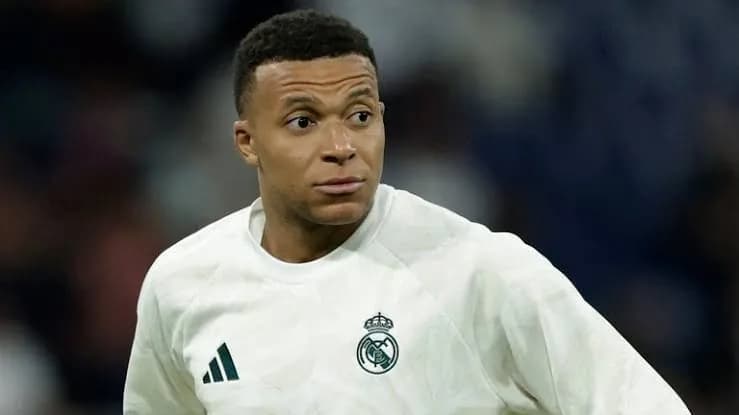
The Mbappé China controversy moved fast. Within about a day, a short video clip cost Real Madrid star Kylian Mbappé major sponsors in China, drew a rare statement from Spain’s top soccer league and pushed him to apologize publicly on Tuesday, Oct. 27, 2026. The trigger was a joke in which he appeared to call Mao Zedong, the founder of Communist China, a “Chinese dictator.”
Here is what he said, what the apology covered, which companies cut ties, and why a comment about an internet meme carried such a high price.
What Mbappé Said, and When
The clip shows Mbappé getting ready for an interview with “The Bridge,” a French soccer talk show and podcast. Asked about the funniest meme he had seen of himself, he described an image with his face placed on another man’s body and said he thought that man was a Chinese dictator. He did not say Mao’s name. Widely shared memes online show Mbappé’s face on Mao’s body, a running joke among fans about his outsized influence on his teams.
Al Jazeera reports the video was filmed in April. It spread widely on social media on Monday, Oct. 26, the same day Mbappé finished second in the 2026 Ballon d’Or voting.
The Apology
Mbappé posted a statement on his social media accounts in French, Mandarin and English. “My comment was ill-judged,” he wrote, adding that he now understood it had hurt many people in China and in Chinese communities worldwide (Al Jazeera).
The 27-year-old France captain said he had been reacting to an image of himself and never meant to offend. He apologized to everyone his words upset and said he has deep respect for the Chinese people and their history.
The Fallout So Far
The business damage came before the apology. The Associated Press reported that three Chinese companies ended brand deals with Mbappé (AP via CTV News). Two have been named publicly:
- Dongpeng, a major Chinese drinks company, ended its contract with immediate effect. It said it has zero tolerance for behavior that offends national sentiment. Its ads featuring Mbappé ran heavily in China during this year’s World Cup, and his face still appears on its electrolyte drink bottles in stores.
- Mengniu, China’s largest dairy producer, also cut ties. One of its ads paired Mbappé with Lionel Messi.
The reaction spread well beyond sponsors:
- La Liga apologized. Spain’s top league said it deeply regretted the offense to Chinese fans and stressed the comments were made in a personal capacity. League president Javier Tebas said La Liga was working with its partners in China to repair the relationship.
- Broadcasts were pulled. According to the state-backed outlet The Paper, China’s state television halted coverage of La Liga matches and events involving Mbappé and removed his ads.
- Social media turned. Hashtags about brands dropping Mbappé and about fans boycotting him topped Weibo, China’s largest social platform. Some users called for him to be blacklisted.
- Beijing weighed in. A Foreign Ministry spokesperson said words that hurt the feelings of the Chinese people will meet opposition from across Chinese society.
Al Jazeera reported that La Liga’s apology was issued on behalf of both the league and Real Madrid. The club had not released its own separate statement in coverage available at publication time.
Why a Meme Joke Hit So Hard in China
Two things turned an offhand remark into a major business story.
First, Mao is off-limits for jokes in China. Mao Zedong led the People’s Republic from its founding in 1949 until his death in 1976. Satire about him is widely seen as disrespectful and remains a social taboo. Many Chinese outlets condemned Mbappé’s remark without repeating it.
Second, Mbappé has a huge commercial footprint there. His face appears in ads across China, from subway stations to elevators. He had millions of followers on Chinese social media before this week. For brands, his value in the market depends on that goodwill.
State media framed the episode as a lesson. China Daily described it as a reminder of the limits of celebrity influence.
What the Mbappé China Controversy Means for Global Athletes
This is not the first time a Western sports figure has run into this kind of backlash. Two earlier cases are familiar to American fans:
- The NBA in 2019. A tweet by then-Houston Rockets general manager Daryl Morey supporting Hong Kong protesters led Chinese state TV to stop airing NBA games and sponsors to pull away. The league spent years rebuilding its business there.
- Mesut Özil in 2019. After the Arsenal midfielder criticized China’s treatment of Uyghur Muslims, state TV pulled an Arsenal match from its schedule.
The difference here: those cases involved deliberate political statements, while Mbappé’s comment was a joke about a meme. The commercial reaction was similar, which shows how little room global stars have for error in China, whatever their intent.
What to Watch Next
- Whether the third company is named. AP counted three lost deals, but only Dongpeng and Mengniu have been identified so far.
- Whether other sponsors follow. Mbappé’s global partners include sportswear brand On, hotel group Accor and toymaker Lego. None had announced changes at publication time.
- Whether La Liga broadcasts return. A lasting blackout on Chinese state TV would hurt the league far beyond one player.
- How Chinese fans respond to the apology. Publishing it in Mandarin was a clear attempt to reach them directly. Weibo reaction over the coming days will show whether it worked.
The Bottom Line
The Mbappé China controversy shows how quickly an offhand comment can become a costly business problem for a global athlete. Mbappé apologized within about a day, but he has already lost at least two major Chinese sponsors, and the effect on La Liga’s presence in China is still unfolding. For more soccer news, visit the Daily US Wire Sports section.