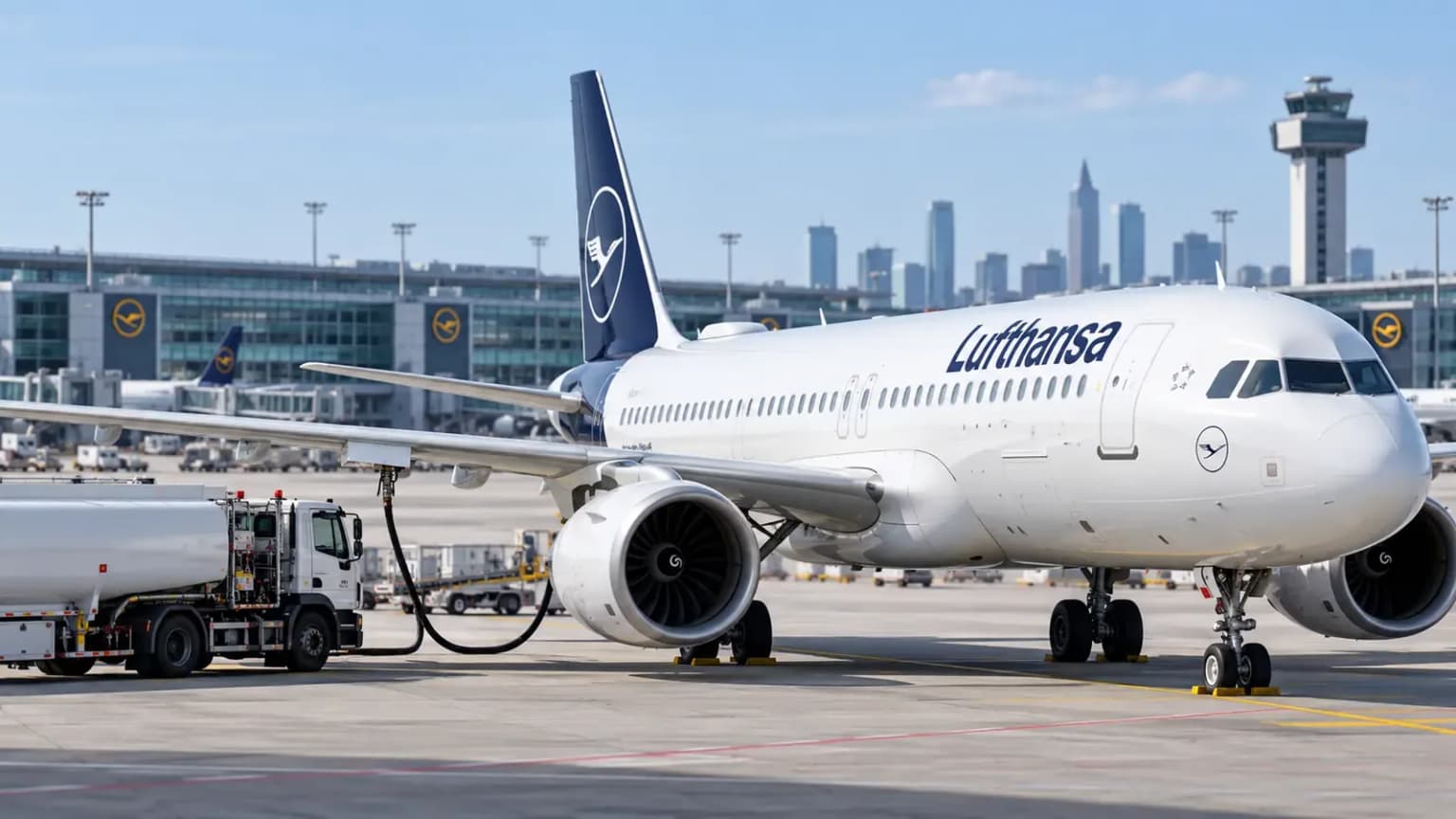
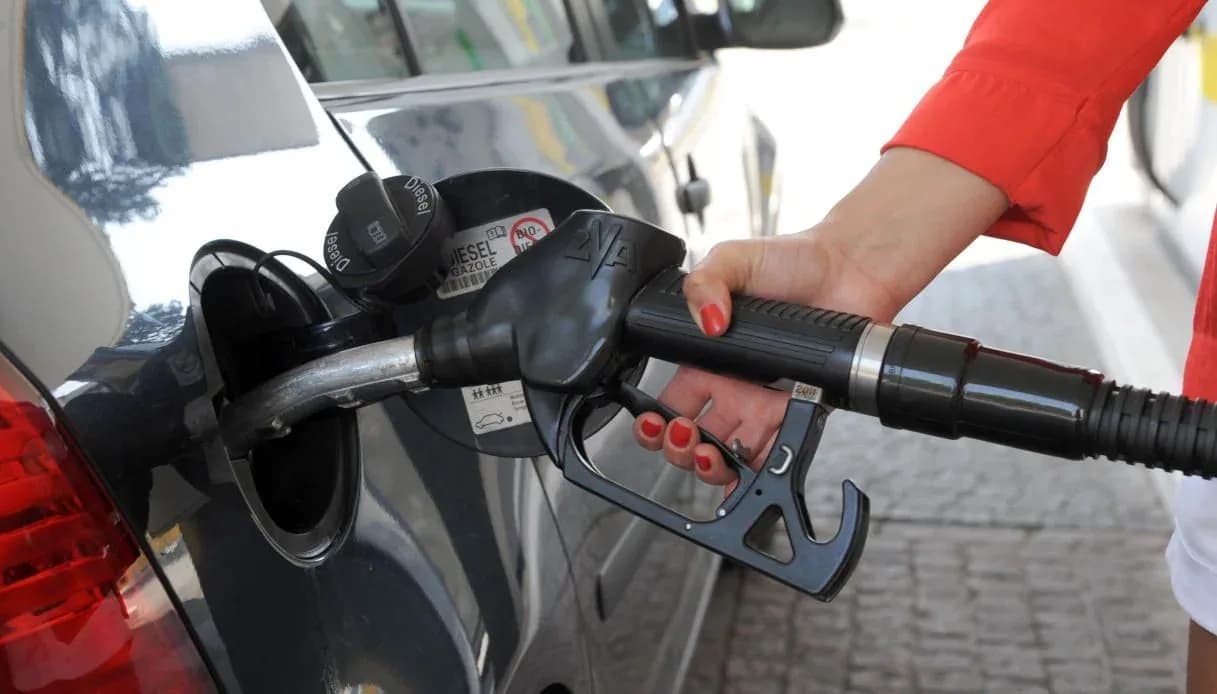
Six US senators, four Republicans and two Democrats, told the Trump administration on Sunday to abandon its plan to import Russian diesel. Their argument is not mainly about foreign policy. It is that a 2022 law bans these imports outright, and that the White House skipped the consultation Congress requires.
That puts a straightforward question in front of American drivers and truckers: will the Russian diesel deal actually bring prices down, and can it survive a legal challenge? The short answer on both counts is that it is far from settled. The volumes Trump described are large but arrive over months, diesel pricing is set globally rather than by any single supplier, and the senators say the import ban is still on the books.
Here is what the Russian diesel deal involves, who objected and why, what the price math looks like, and what to watch over the next few weeks.
What the Russian diesel deal promises
Trump announced the arrangement on social media on Friday, October 9, after a phone call with Vladimir Putin. According to the Associated Press, he said Russia would supply:
|
Tranche |
Volume |
Timing as described |
|---|---|---|
|
First |
More than 300,000 tons |
Immediately |
|
Second |
500,000 tons |
November 2026 |
|
Third |
1 million tons |
"Immediately thereafter" |
|
Fourth |
3 million tons |
"Within a short period of time" after that |
Two things about the Russian diesel deal's schedule deserve attention. The diesel goes to "the American and global market," not solely to the United States, so how much actually lands at US terminals is unclear. And only the first tranche has a firm timeline; the rest is described in phrases rather than dates.
The context is a fuel price spike. The average US gas price was $4.35 as of October 11, according to AAA figures cited in Everything Briefing, with diesel at record levels. The AP notes that the administration has attributed those prices to Ukrainian strikes on Russian refineries rather than to the US-led war in Iran, which has pushed up world energy prices. Daily US Wire examined that price question in Trump Russia Deal to Lower Fuel Prices: Will It Work?
Who objected to the Russian diesel deal
The statement released Sunday was signed by four Republicans and two Democrats, per the AP:
|
Senator |
Party and state |
|---|---|
|
Susan Collins |
R-Maine |
|
Lisa Murkowski |
R-Alaska |
|
Thom Tillis |
R-North Carolina |
|
John Curtis |
R-Utah |
|
Jeanne Shaheen |
D-New Hampshire |
|
Richard Blumenthal |
D-Connecticut |
Their case rests on three points.
The 2022 import ban. Congress banned Russian energy imports in 2022 specifically so US purchases would not finance the war. The senators wrote that allowing Russian diesel into the country runs directly counter to that law, and that the US should not hand Putin a financial lifeline while Russian strikes continue to kill Ukrainian civilians.
No consultation with Congress. They said the administration neither consulted lawmakers nor submitted the justification a statute requires before a decision like this.
It undercuts a law passed weeks ago. The AP notes the announcement came shortly after Congress directed Trump to impose substantial tariffs on the largest importers of Russian oil and gas, with a carve-out for countries importing under 15% of Russia's gas exports that are cutting those purchases. Buying Russian diesel directly works against that statute's purpose.
The defense from within the party
Not every Republican objected. Sen. John Barrasso of Wyoming told CBS's "Face the Nation" that Trump is focused on bringing energy costs down and has to balance hard choices, framing the arrangement as leverage over Putin toward a longer-term settlement. He also urged Trump to enforce last month's sanctions law.
Tillis went further than most in his own party. On NBC's "Meet the Press" he said there is a legitimate case that the president would not be following the law if the purchase plan proceeds, and restated that Russia is the aggressor and the party able to end the war by leaving occupied territory.
Will the Russian diesel deal lower pump prices?
This is the part most readers care about, and it is worth separating what is known from what is being promised.
Diesel is priced globally. Refined products trade on a world market. Extra Russian supply reaching any buyer loosens global balances somewhat, whether or not a single gallon docks in Houston. That cuts both ways: the benefit is diluted across the world market rather than concentrated in US pump prices.
The volumes need context. The United States consumes roughly 3.5 to 4 million barrels of distillate fuel a day. One million metric tons of diesel is in the range of 7 to 8 million barrels, so it covers about two days of US consumption. The full package Trump described, if every tranche arrives, is meaningful but not transformative, and it is spread over months.
The underlying cause has not changed. The AP reports the price spike traces to the US-led war in Iran and its effect on world energy supply. The Russian diesel deal is a supply agreement with one producer, and that does not resolve a disruption of that kind. For scale, the G7 separately agreed to release 100 million barrels of oil including diesel, per PBS NewsHour — an intervention many times larger than this deal.
Delivery is not guaranteed. Only the first tranche has a clear timeline. Shipping, insurance, sanctions compliance and payment channels all have to work before Russian diesel reaches buyers, and each is a point where this could stall.
A reasonable expectation, then: some downward pressure at the margin if deliveries proceed, but not the sharp relief the announcement implies. Anyone budgeting for winter heating oil or fleet fuel should not plan around a large drop.
This is general information about energy markets, not financial or investment advice. Fuel prices depend on many factors beyond any single agreement.
What happens next
A statement from six senators does not stop the Russian diesel deal by itself. These are the realistic paths, and what each would look like.
- The administration proceeds and tests the ban. The most likely near-term outcome. Watch for a Treasury or Commerce licensing action, which is how an import otherwise barred by statute would be permitted. Any such license is the document to read.
- Congressional hearings. Senate Banking has been the venue for similar fights over Russian energy sanctions, including earlier demands for Treasury Secretary Scott Bessent to testify. A hearing request is a low-cost first step and a likely one.
- Legislation or a resolution of disapproval. Harder. It needs floor time from Republican leadership and, ultimately, veto-proof margins. Four Republican signatures is notable but well short of that.
- Litigation. Possible if a party with standing, such as a domestic refiner, challenges the licensing. Slow, and unlikely to affect prices this winter.
- Quiet abandonment. Deals announced on social media have faded before. If the first 300,000-ton tranche does not visibly move by late October, that is the signal.
What to watch this week
- Whether the White House publishes any legal justification or license for the imports
- Whether Collins, Murkowski, Tillis or Curtis escalate from a statement to a bill or hold
- AAA's daily national diesel average, which is the plainest test of whether anything is working
- Whether the first tranche is confirmed as shipped by anyone other than the White House
The bottom line
As of October 12, 2026, the Russian diesel deal exists as a presidential announcement with bipartisan Senate opposition and an unresolved legal question about a 2022 import ban. No tranche has been independently confirmed as delivered. For drivers, the practical takeaway is to treat the announcement as a proposal rather than a price forecast, and to watch the pump average instead of the press releases.