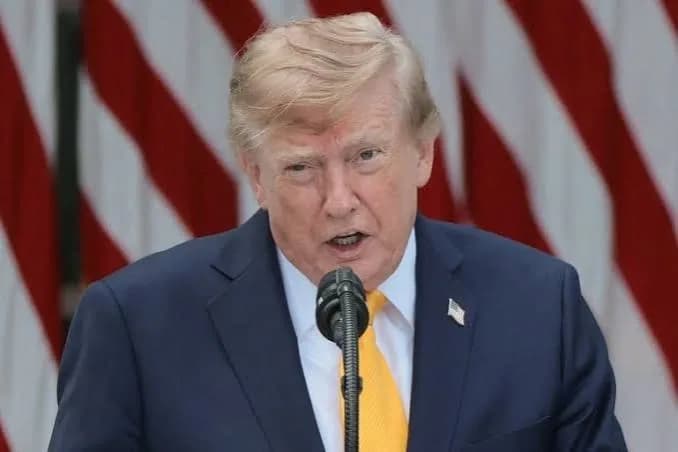
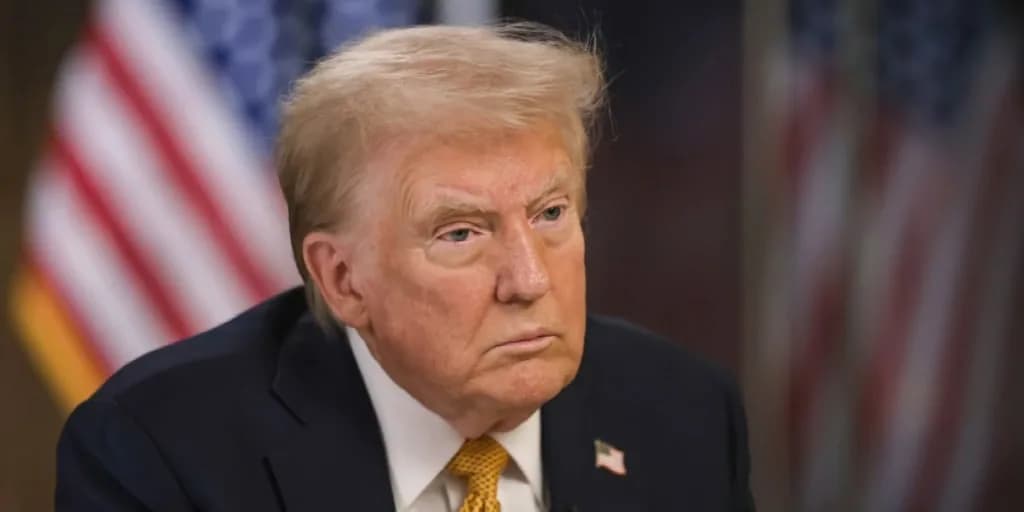
President Donald Trump on Saturday rejected Iran's latest cease-fire proposal, a seven-day plan that Tehran said would reopen the Strait of Hormuz and restart negotiations over its nuclear program. Speaking to reporters before leaving the White House, Trump said Iran had made a proposal but that he had rejected it. The Philadelphia Inquirer
The decision marks another sharp turn in a conflict that has now stretched nearly seven months and pushed energy prices higher around the world.
What Iran Put on the Table
Iranian Foreign Minister Abbas Araghchi outlined the offer on the sidelines of the United Nations General Assembly in New York. Under Tehran's plan, Iran would reopen the Strait of Hormuz and resume nuclear talks within seven days if the United States lifted its naval blockade of Iranian ports, waived sanctions on Iranian oil sales, and observed a cease-fire that would also cover Lebanon.
Araghchi described it as a concrete seven-day plan and said the choice now rested with Washington. He also noted that the seven-point proposal closely mirrored commitments from a memorandum of understanding reached between the two countries in June, which quickly fell apart.
Why Trump Said No
Trump framed the rejection as a matter of leverage rather than closed doors. He told reporters that Iran wanted a deal that would open the strait immediately because it was losing badly, and he argued that the U.S. naval blockade had left Tehran with no money coming in.
The president also accused Iran of stalling. He suggested Tehran was dragging the war out toward the November midterm elections in hopes of politically damaging him and Republicans. Notably, Trump said he remained open to negotiating with Iran, even as he dismissed this specific package.
Strikes After the Midterms?
According to The Wall Street Journal, the refusal may signal an escalation rather than a pause. The paper reported that Trump told aides he expects to resume bombing Iran after November's midterm elections, citing unnamed U.S. officials. Trump himself demurred when asked directly whether strikes would restart after the vote.
Separately, reporting indicated the president is privately skeptical that Iran would actually meet his demands, though he did not explain to reporters exactly why he declined the offer.
The Bigger Picture: Oil, Shipping, and a "Trump Strait"
The Strait of Hormuz is one of the most important chokepoints in global energy trade, carrying roughly 20 percent of the world's oil supply. Its closure has been felt at gas pumps across the United States and beyond.
Trump insists the flow is under U.S. control. He told reporters that 29 ships had come out of the strait the previous night, and a day earlier he posted an image on Truth Social labeling the waterway the "Trump Strait" — not the first time he has needled Tehran this way.
On the same day, Trump reiterated on Truth Social that Iran cannot be allowed to have a nuclear weapon, underscoring the core demand behind U.S. policy.
How We Got Here
This is not the first cease-fire plan to collapse. In April, a draft proposal from Egypt, Pakistan, and Turkey calling for a 45-day cease-fire and reopening of the strait was rejected by Iran as "illogical". The June memorandum of understanding briefly offered hope before unraveling. The pattern — bombings, peace proposals, sweeping threats, and mixed signals — has defined the war since its earliest weeks. Daily Us Wire.
What to Watch Next
- Mediator activity: U.S. officials have described conversations with mediators as constructive, so back-channel talks may continue despite the public rejection.
- Energy markets: Any change in shipping through the Strait of Hormuz will show up quickly in crude prices and U.S. gasoline costs.
- The midterm calendar: With the November elections now tied to war strategy, expect both sides to time their moves accordingly.
- Regional spillover: Houthi attacks intercepted by the Saudi-led coalition over the weekend show the conflict's reach extends well beyond the Gulf.
FAQ
What did Iran propose?
A seven-day plan to reopen the Strait of Hormuz and resume nuclear talks, in exchange for a lifted U.S. blockade, sanctions relief on oil, and a cease-fire including Lebanon.
Did Trump close the door on talks?
No. He rejected this proposal but said he is still open to negotiating.
Why does the Strait of Hormuz matter to Americans?
About a fifth of global oil moves through it, so its closure directly affects U.S. fuel prices.